July 9, 2026
In recent years, there has been a significant shift in how homeowners perceive their outdoor spaces. Rather than simply being an afterthought, outdoor areas are now considered extensions of the home. With this evolution in perspective, enhancing outdoor living spaces has become a growing trend. By improving these areas, homeowners are able to transform them into inviting and functional places for relaxation, entertainment, and everyday living.
Enhancing Aesthetic Appeal
Modern Design Trends
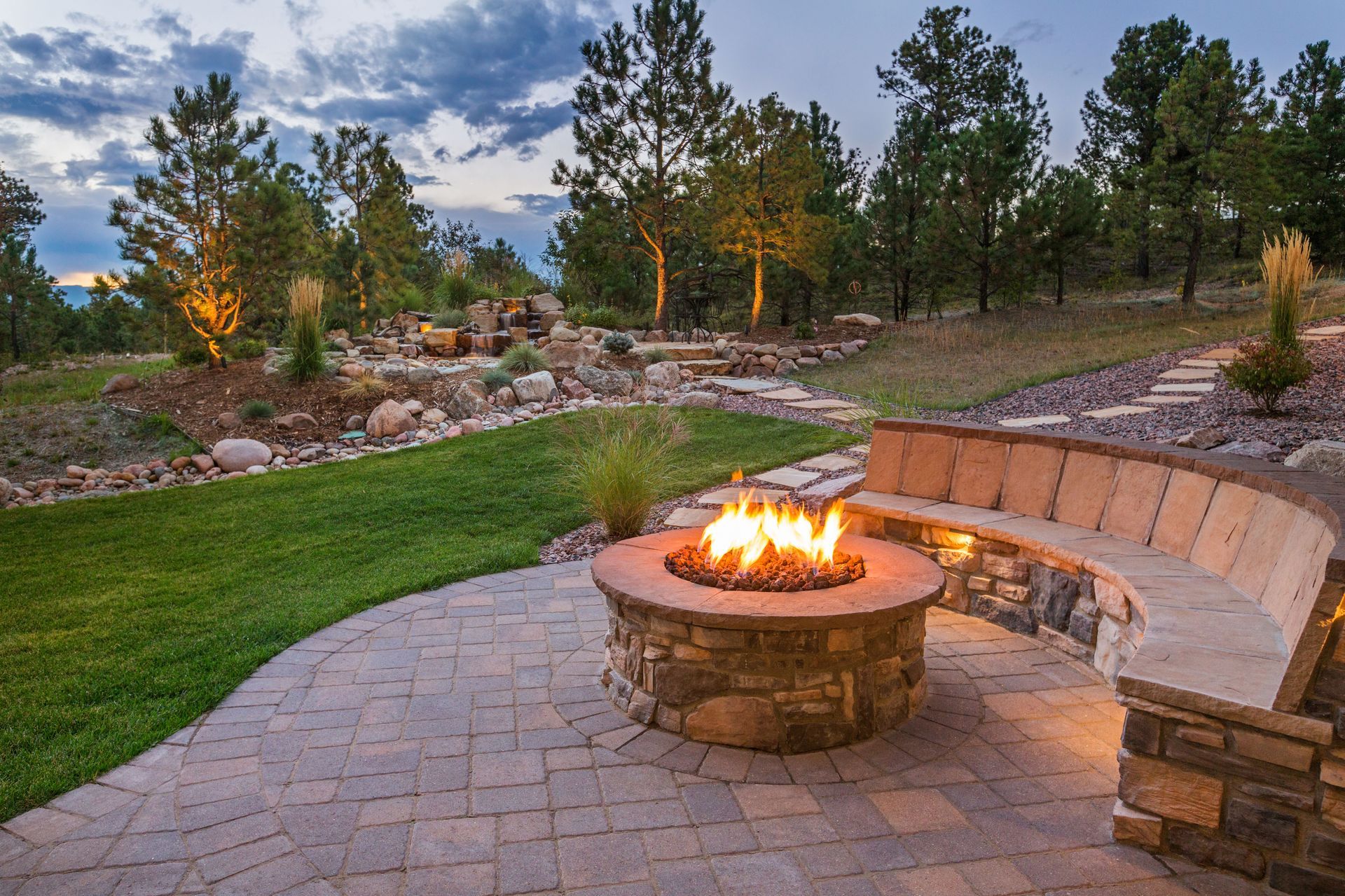
Contemporary design trends emphasize simplicity and functionality, with clean lines and neutral palettes being particularly popular. The use of modern elements such as sleek furniture, trendy fire pits, and minimalist designs can significantly improve the visual appeal of any outdoor area. Many homeowners choose to incorporate smart technology into their outdoor spaces, making it easier to control lighting and other elements with ease. These features not only serve a practical purpose but also add a touch of elegance and sophistication to the environment. According to This Old House, about 51% of homeowners update their outdoor living space to improve aesthetics, embracing these contemporary trends fully.
Color Schemes and Materials
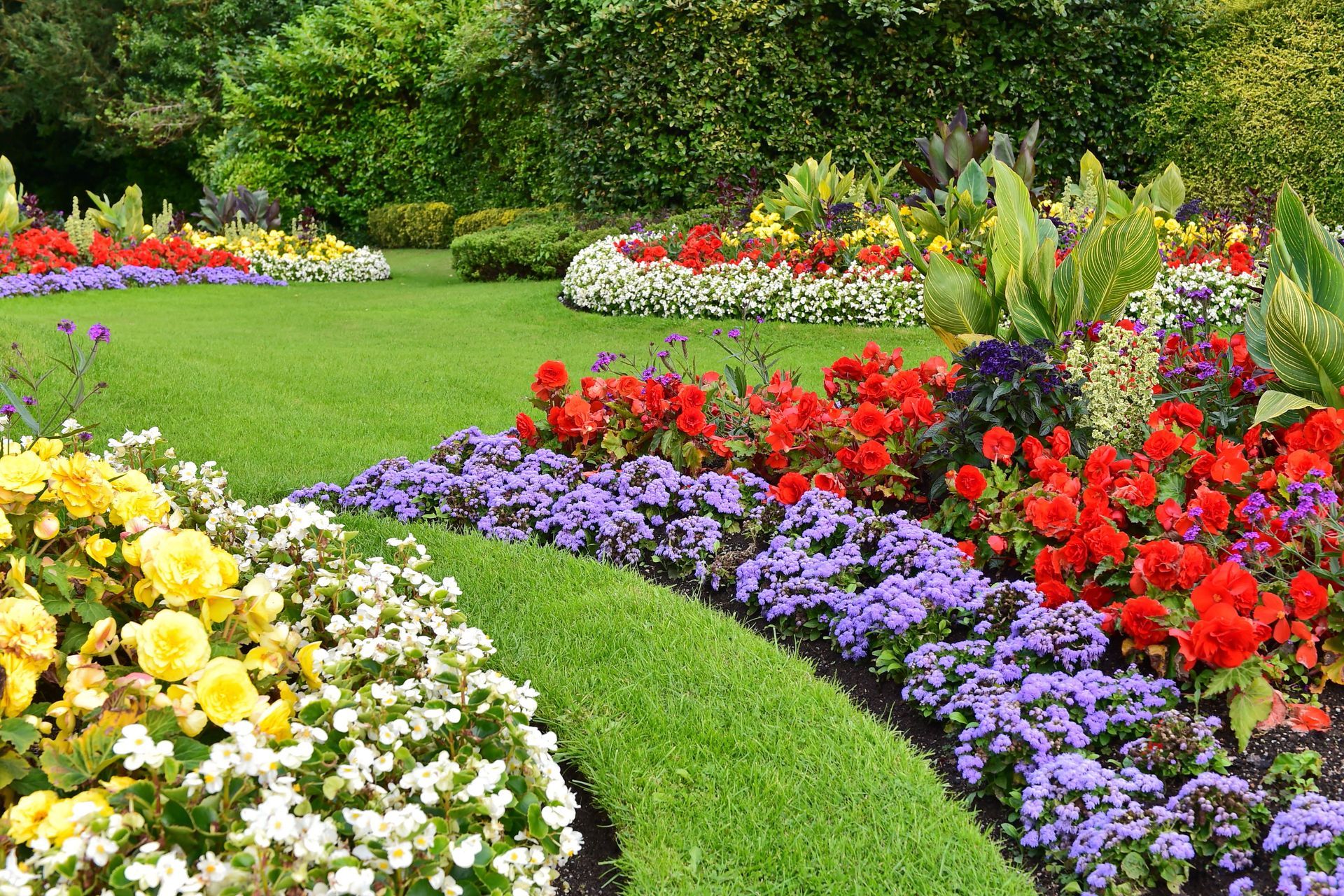
One of the most impactful ways to alter the ambiance of an outdoor space is through the use of color schemes and materials. A well-chosen palette can set the mood, whether you're aiming for tranquility with muted blues or energy with vibrant reds and yellows. Materials such as natural stone, composite decking, and sustainably sourced wood are not only durable but also offer various colors and textures. These materials allow for creativity in design while ensuring the outdoor area remains stylish and contemporary. Selecting the right combination of colors and materials contributes greatly to the overall appeal and personality of the space.
Functional Layouts
A functional layout is the backbone of any successful outdoor living space. The placement of key elements such as seating, cooking areas, and walkways should be intuitive and facilitate easy movement and interaction. An effective layout enhances the usability of the space and can adapt to different occasions, whether it's a quiet family dinner or a large gathering. The flow of the space directly affects how inviting and useful it feels, making the design aspect crucial. A thoughtfully designed layout helps balance the outdoor area's aesthetic qualities with its practical functions.
Plants and Landscaping
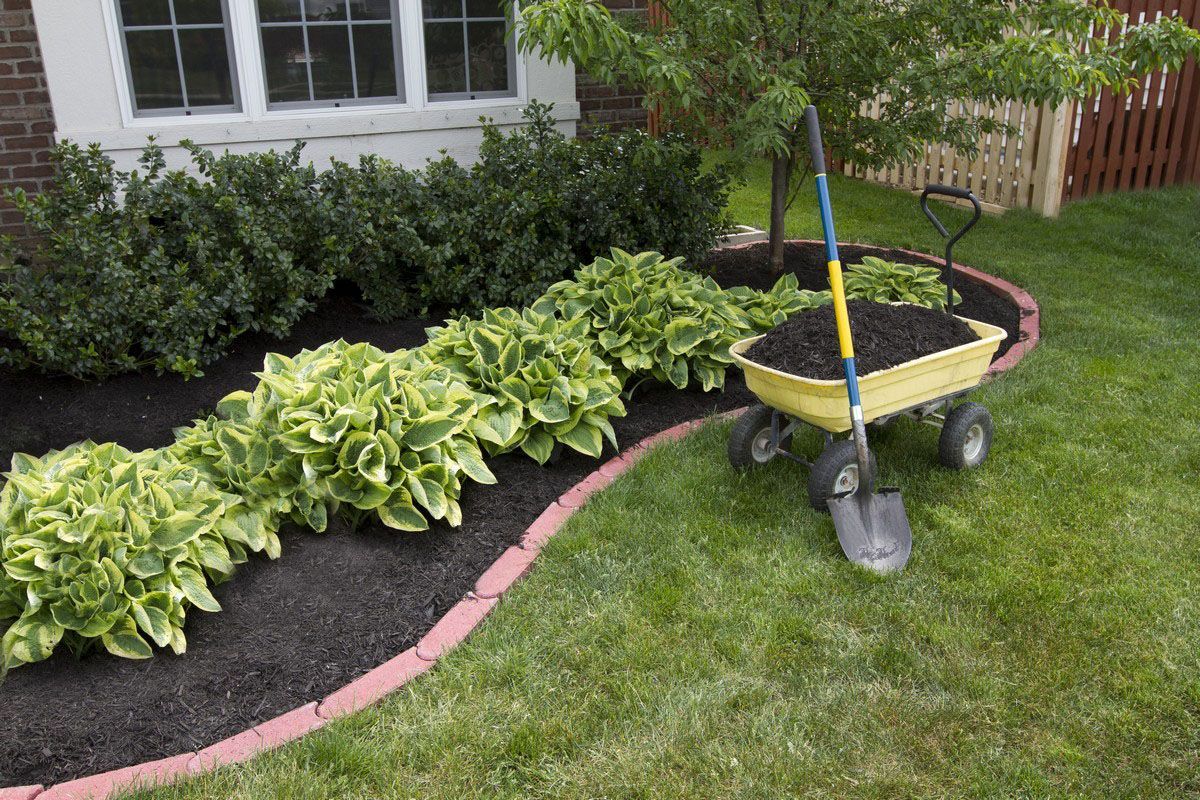
Greenery plays an indispensable role in beautifying outdoor spaces and enhancing their natural appeal. The careful selection of plants and flowers, considering their colors, textures, and seasonal blooms, can make a garden a vibrant extension of the home. Landscaping involves understanding the microclimate of the area and choosing plants that will thrive in it, thereby reducing maintenance needs. This approach not only makes the space attractive year-round but also encourages biodiversity, which brings ecological benefits. Skilled landscaping transforms ordinary outdoor areas into lush, inviting sanctuaries.
Increasing Property Value
Market Trends and ROI
The real estate market has seen a growing demand for homes with upgraded outdoor spaces, reflecting broader lifestyle changes. Outdoor upgrades often yield a high return on investment (ROI), as prospective buyers value these enhancements. Adding features such as outdoor kitchens, fire pits, and designated entertainment areas can significantly increase a property's allure. For savvy homeowners, understanding market trends can inform the most profitable improvements, ensuring any investment aligns with buyer preferences. Ultimately, well-planned outdoor upgrades can provide both immediate enjoyment and long-term financial benefits.
Appraisal Value Impacts
When it comes to property appraisal, a well-designed outdoor space can positively impact the perceived value of a home. Appraisers take into account the quality and functionality of outdoor features, considering them as key components of the overall property. A backyard equipped with modern amenities and stylish landscaping can elevate a home's market value beyond its structural and interior features. As buyers seek homes that offer more holistic living experiences, the importance of appealing outdoor areas in appraisals will continue to grow. This increased value can be particularly advantageous when refinancing or selling a property.
Buyer Appeal
Enhanced outdoor areas have become a compelling selling point for homes on the market. Buyers are increasingly looking for properties that offer versatile outdoor spaces for relaxation, entertainment, and family activities. A beautifully landscaped garden or a deck with a panoramic view can be decisive factors in a buyer's purchasing decision. More than just living space, these areas offer lifestyle opportunities that resonate with modern buyer priorities. Thus, investing in outdoor upgrades can make a home more attractive and competitive in the real estate market.
Comparative Analysis
Homes with upgraded outdoor spaces tend to have higher resale values compared to those without, reflecting their added appeal and functionality. A comparative analysis of market listings often shows premium prices for properties featuring outdoor kitchens, fire pits, and lush landscaping. Buyers perceive these features as indicators of a well-maintained and modern property, willing to pay more for homes that include them. Additionally, sellers can leverage these upgrades as distinct selling points, setting their properties apart in competitive markets. This comparative advantage reinforces the practical value of investing in outdoor improvements.
Environmental Benefits and Sustainability
Eco-friendly Materials
Utilizing eco-friendly materials in outdoor spaces aligns with broader sustainability goals. Options like recycled wood, reclaimed stone, and composite decking reduce environmental impact without sacrificing durability or aesthetics. Choosing materials with sustainable credentials not only lessens carbon footprints but also enhances the lifecycle of the outdoor area. By prioritizing sustainability, homeowners contribute positively to environmental conservation efforts. These conscious choices also improve the ecological balance of outdoor spaces, creating a habitat that's harmonious with nature.
Water Conservation Practices
Incorporating water-saving features into outdoor designs is essential for responsible water management. Using drought-resistant plants, rainwater harvesting systems, and drip irrigation systems can significantly reduce water usage. These practices ensure outdoor areas remain lush and vibrant without burdening local water supplies, especially in drought-prone regions. Water conservation not only benefits the environment but also reduces utility costs for homeowners. Implementing these strategies demonstrates a commitment to efficient resource usage and sustainable living.
Native Landscaping
Opting for native plants in landscaping offers multiple advantages for ecological health and reduced maintenance demands. These plants are well-adapted to local climates and soil conditions, requiring less water, fertilizers, and pesticides. Native landscaping supports local wildlife, promoting biodiversity and ecological stability within the garden space. This approach lowers maintenance costs and minimizes the outdoor area's environmental footprint. By building a landscaping design around native species, homeowners create a resilient, thriving ecosystem that endures through the seasons.
Energy-efficient Features
Energy-efficient features, such as solar lighting and smart irrigation systems, offer cost savings while minimizing environmental impact. Solar lights provide sustainable and aesthetically pleasing illumination, reducing reliance on fossil fuels. Features like energy-efficient patio heaters and shading structures can extend the usability of outdoor areas while minimizing energy waste. Additionally, smart hardware allows for precise control of energy use, optimizing efficiency and reducing costs. These advancements demonstrate a commitment to sustainability, aligning outdoor upgrades with environmentally conscious practices.
Waste Reduction
Tackling waste through outdoor design involves both recycling initiatives and thoughtful material selection. Using recycled materials and furnishings helps divert waste from landfills and supports the recycling industry. Creative design practices, like building composting areas or incorporating recycled elements into the landscaping, further promote sustainability. These conscious efforts not only diminish electronic waste but also elevate the sustainability profile of the outdoor space. Prioritizing waste reduction aids in creating environmentally friendly and socially responsible outdoor living environments.
Upgrading outdoor living spaces yields numerous benefits, from enhancing aesthetic appeal and increasing property value to promoting physical and mental health. By investing in well-designed and functional outdoor environments, homeowners not only enrich their current lifestyle but also tap into greater market opportunities. These spaces encourage sustainability, expand living areas, and offer avenues for memorable experiences. As the trend towards elevated outdoor living grows, now is the ideal time for readers to consider making these transformative investments. If you're looking for a reliable landscaping company to enhance your outdoor space, contact B&M Landscaping and Cleaning Services LLC today.